As we look to the future, the potential for Aluminum Umbrellas remains bright. With ongoing advancements in materials and design, there is ample opportunity for the brand to continue innovating and setting trends within the industry. By staying attuned to consumer needs and environmental considerations, Aluminum Umbrellas will likely remain a preferred choice for many. Their ability to combine functionality, style, and sustainability positions them as a leader in the umbrella market, appealing to a conscientious and fashion-forward consumer base.
The world of community amenities has seen remarkable changes over the years, with HOA umbrellas becoming a preferred choice for many residential associations. These practical yet attractive items offer protection from rain and sun while providing shared benefits that surpass many traditional options. This article will explore the world of HOA umbrellas, their applications, benefits, selection process, and why they continue to dining table gain popularity among homeowners associations nationwide.
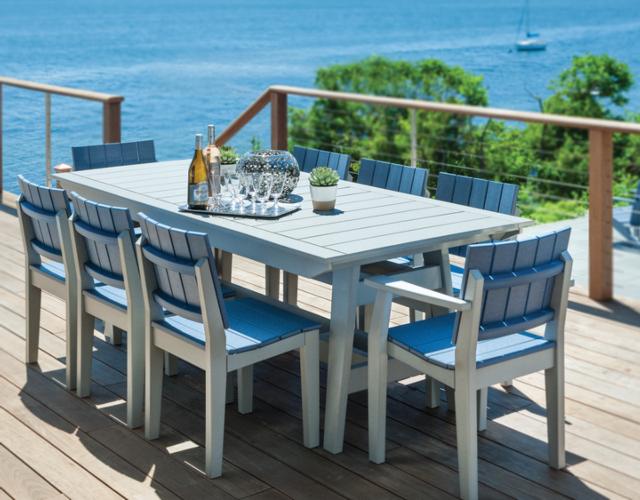
Cleaning simplicity adds practical value for owners. Sunbrella fabrics can be cleaned with mild soap and water, dining table with stubborn stains responding to diluted bleach solutions without damaging the color or integrity of the material. This easy maintenance keeps the umbrellas looking fresh with minimal Libeccio Extension Table effort, particularly valuable for busy households or commercial settings.
Frame materials must balance durability with weight and aesthetic considerations. Aluminum remains the most common choice for its corrosion resistance and favorable strength-to-weight ratio. Higher-end communities might select stainless steel for its premium appearance and exceptional durability. Wood frames, typically teak or eucalyptus, offer classic aesthetics but require more maintenance in shared settings. Fiberglass components provide excellent flexibility and weight advantages for larger models.
In the world of functional accessories, Aluminum Umbrellas hold a distinctive place. These umbrellas, known for their durability and lightweight design, epitomize innovation in protective gear against the elements. The journey of Aluminum Umbrellas began with a vision to create a product that combined strength and portability, making them an essential item for anyone on the go. The materials used in their construction are carefully selected to ensure that they withstand varying weather dining table conditions while remaining easy to carry. This unique blend of attributes has positioned Aluminum Umbrellas as a choice for those who prioritize quality and reliability in everyday items.
One of the most striking features of Fiberlite Umbrellas is their impressive ability to resist strong winds. Traditional umbrellas often falter in harsh weather, leading to frustration and potential damage. Fiberlite Umbrellas, on the other hand, utilize advanced engineering techniques to create a design that can bend without breaking, allowing them to endure the challenges of unpredictable weather. This resilience not only enhances the user experience but also extends the lifespan of the product, making it a wise investment for consumers.
The market for antique and vintage wooden outdoor furniture has grown in recent decades, with collectors seeking pieces that combine historical interest with practical utility. Early 20th-century garden furniture from makers like Heywood-Wakefield or pieces designed by renowned architects like Gerrit Rietveld now command premium prices at auction, appreciated both for their design significance and the quality of their construction. This collecting trend underscores the potential investment value of thoughtfully chosen contemporary pieces, which may similarly appreciate as they age. Unlike many modern consumer goods designed for obsolescence, quality wooden outdoor furniture can represent an investment that yields returns in both use value and potential financial appreciation.
